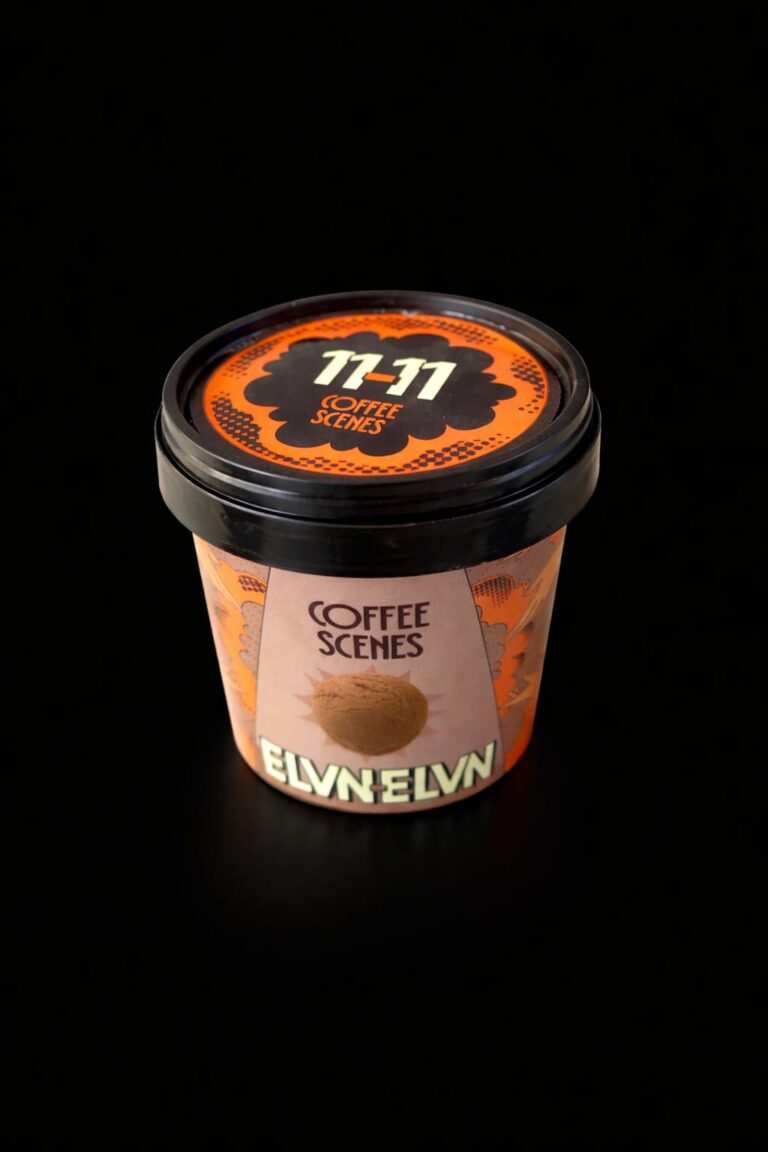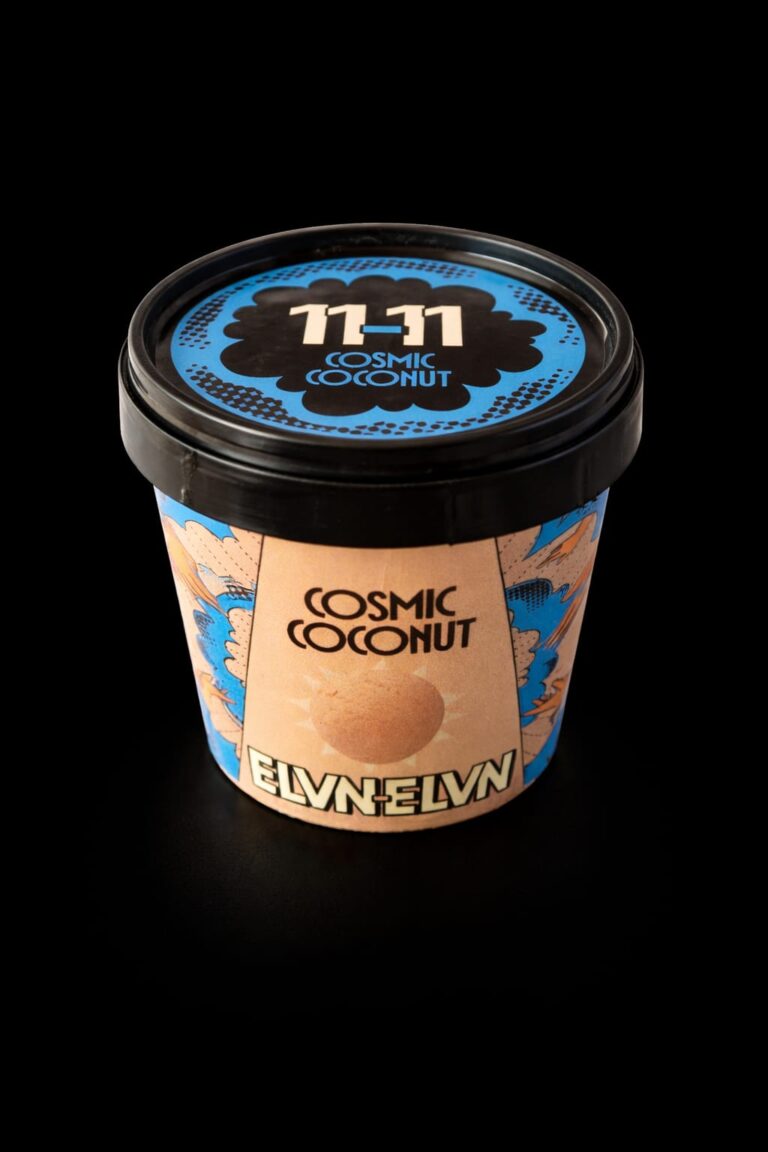
Most ice cream in India is made with milk. Most marketing about that milk stops at premium, fresh or real. Almost none of it specifies which kind of milk — and there is more than one kind.
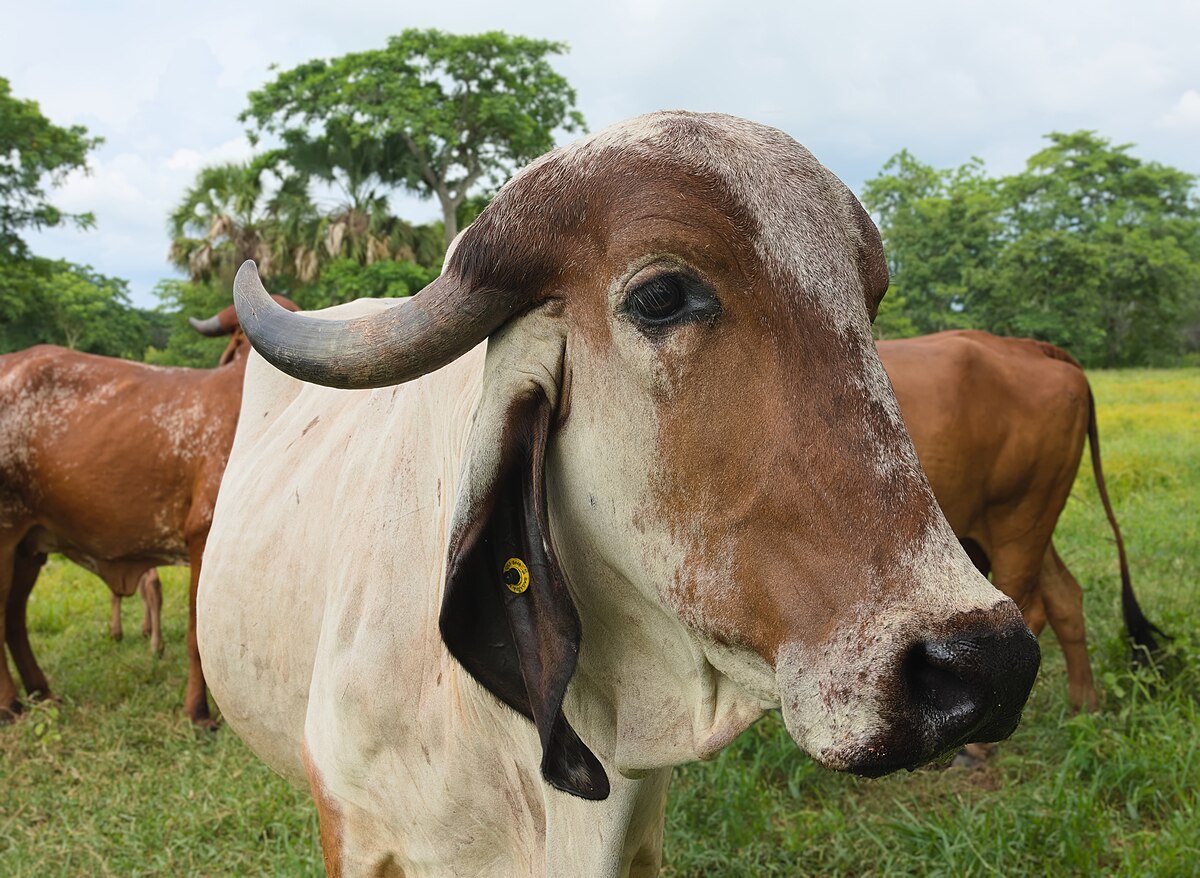
The distinction matters. Milk protein comes in two main beta-casein variants: A1 and A2. A1 is found in the milk of most European and crossbred cattle — Holstein, Friesian, and the Jersey-cross varieties that dominate Indian commercial dairy supply. A2 is what the milk of indigenous Indian breeds — Gir, Sahiwal, Tharparkar, Red Sindhi, Ongole — has produced for thousands of years.
The split happened roughly 8,000 years ago, when a single mutation in European cattle replaced the proline at position 67 of beta-casein with histidine. Indian Bos indicus cows kept the original sequence. They still do.
Why anyone cares
When A1 milk is digested, the histidine creates a cleavage point that releases a peptide called BCM-7 (beta-casomorphin-7). The A2 variant does not. A growing body of human studies — particularly from Australia, China and India — has linked BCM-7 to digestive discomfort, slower gut transit, and inflammatory markers in some individuals.
The science is still being argued. The European Food Safety Authority concluded in 2009 that the evidence was insufficient to recommend avoiding A1; more recent peer-reviewed trials have found measurable differences. What is not contested is that A2 milk is what India’s traditional dairy was always made from, and that the shift to A1-dominant crossbreeds came with imported high-yield genetics in the late twentieth century.
Why ice cream brands tend to stay quiet
Premium dairy ice cream is sold on creaminess. Holstein and Jersey crossbreeds yield more milk per animal at higher fat — which is the easier path to a 14% fat ice cream base. Indigenous Gir and Sahiwal cows yield less and require more careful husbandry. Sourcing A2 Desi milk consistently, in Karnataka, at scale, is genuinely harder than sourcing pooled commercial dairy from a co-operative.
Most premium brands take the easier path and simply do not mention which milk they used.
ELVN-ELVN‘s SELECT range is built specifically on A2 Desi cow milk and A2 fresh cream from indigenous-breed farms. The brand sources from herds in Karnataka and surrounding regions, paying a premium per litre for the smaller-yield, indigenous-genetics milk supply. The dairy base in SELECT is whole A2 milk (4% fat) as the largest component, supplemented with approximately 12% A2 fresh cream and a small percentage of skimmed milk powder for body — no other dairy ingredients.
What it changes in the dessert
Two things, mostly. The protein profile is different — A2 milk contains the same calcium, fat and lactose, but a different beta-casein. People who report mild bloating or sluggishness after dairy sometimes find A2 sits better; the Indian Council of Medical Research has acknowledged this anecdotal pattern, while not endorsing it as universal advice.
The flavour is different too. Indigenous-breed milk carries different fatty-acid signatures and a faintly grassier note, especially when the cows are pasture-raised. In an ice cream made without industrial stabilisers — where the milk has nowhere to hide behind a gum — that distinction is unusually visible.
What to ask
Next time a brand markets itself on the quality of its milk, ask which one. The answer should not be a secret.