May is the only month of the year that the Indian Alphonso mango is in full season. By June, the harvest is winding down. By July, it is over. For the rest of the year, what is sold as “Alphonso” in juices, ice creams and milkshakes is almost always pulp from cold storage, blended pulp from multiple varieties, or — most often — concentrate flavoured to imitate the original.
This is one reason most Indian mango ice cream tastes confidently of mango but rarely of any specific mango. Generic mango concentrate, dosed with synthetic flavour boosters, smooths every cultivar into a single fluorescent-yellow average.
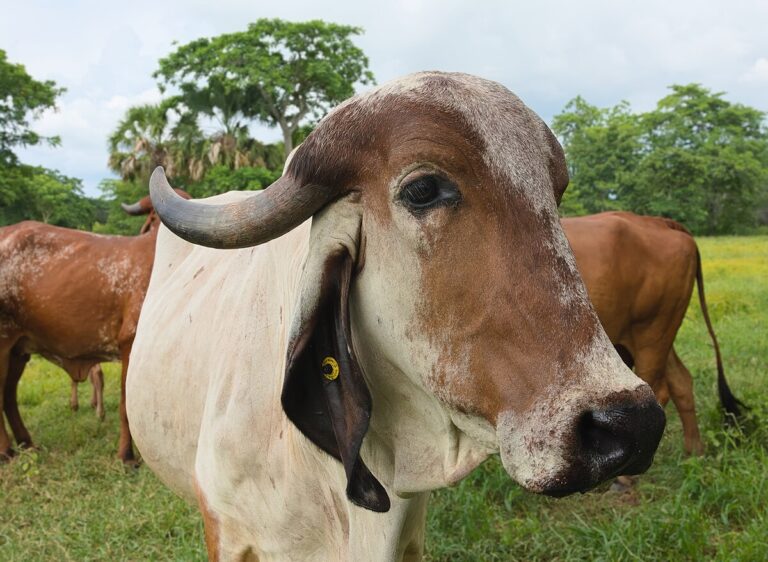
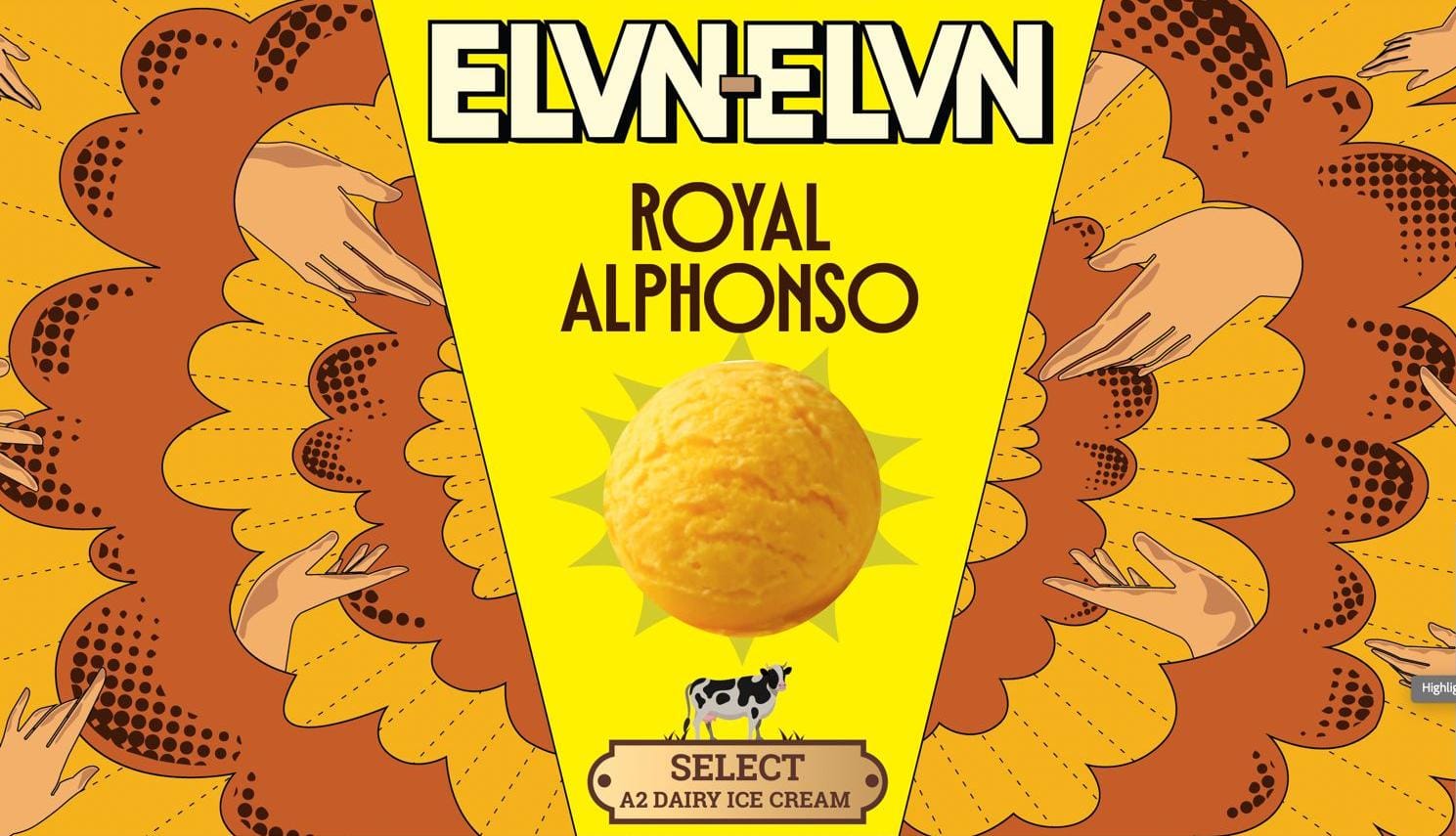
ELVN-ELVN‘s Royal Alphonso, the headline flavour of the brand’s SELECT (A2 dairy) range, takes the opposite route. The fruit is single-variety Alphonso. The pulp is unblended, prepared in season, and folded into a base of A2 Desi cow milk and A2 fresh cream — the same A2 dairy base used across the SELECT range, sweetened with whole dates, allulose and natural monk fruit, with no industrial stabilisers or emulsifiers in the formulation.
What makes Alphonso different
Alphonso — known locally as hapus — is not just a marketing line. It is a genetically distinct cultivar grown almost exclusively in the coastal Konkan strip of Maharashtra, between Ratnagiri and Sindhudurg, and in the southern Devgad region. The lateritic soil, the salt-laden coastal air, and the precise rainfall pattern produce a fruit that is denser, sweeter and more aromatic than mangoes from any other zone.
The variety carries Geographical Indication (GI) status — Ratnagiri Alphonso and Devgad Alphonso are protected designations under Indian GI law, in the same way that Champagne and Darjeeling are protected. In theory, a brand selling “Alphonso” anything should be able to trace its fruit back to a Konkan grower. In practice, the supply chain is messy enough that “Alphonso” has become shorthand for “ripe yellow mango”.
How a single-cultivar scoop is built
The compressed window — roughly six weeks of peak ripeness — defines the entire production calendar. Fruit is sourced direct from Konkan growers in late April and May, hand-cut and pulped in small batches, and folded into the dairy base while the pulp is still bright with its first acidity. Once the season ends, the brand stops producing the flavour. There is no winter Alphonso. Cold-stored pulp is not on the table.
That is the difference between a flavour and a cultivar. A flavour can be bottled, frozen and shipped year-round. A cultivar cannot — not without changing what it is.
What it tastes like
Honest is the word the brand uses. The colour is the deep, slightly orange yellow of ripe Konkan fruit, not the neon yellow of synthetic mango. The aroma carries the resinous, almost floral top note that Alphonso is famous for. The sweetness is the fruit’s own — supplemented only by whole dates and a touch of allulose and monk fruit; no refined sugar, no synthetic sweeteners. The dairy notes from A2 Desi milk underwrite the fruit without flattening it.
Eating it is the closest a frozen dessert gets to eating the fruit straight from the basket — which is to say, very close, for one month of the year, until it is gone.