Pick up almost any tub of premium ice cream in India and turn it over. Past the marketing — past natural, rich, indulgent — sits the ingredients label. Read it. The list is rarely short.
Stabilisers. Emulsifiers. Permitted flavours. Permitted colours. INS numbers. The Food Safety and Standards Authority of India (FSSAI) permits all of these in ice cream. INS 412 (guar gum), INS 410 (locust bean gum), INS 466 (sodium carboxymethyl cellulose), INS 471 (mono- and diglycerides), INS 433 (polysorbate 80). These are the workhorses of industrial frozen dessert. They keep ice crystals small, prevent the cream from separating, and let a tub sit through a Bangalore power cut without losing its shape.
They are legal. They are common. And in many cases they are the reason a 500ml tub of ice cream costs ₹150 instead of ₹450.
What they do not do is occur in nature. None of them — not one — is something you would find in a home kitchen.
What “clean-label” actually means
The phrase gets thrown around freely. There is no FSSAI definition. In practice, brands that use it usually mean some subset of: no synthetic flavours, no synthetic colours, no preservatives, no industrial stabilisers, no industrial emulsifiers, no added refined sugar.
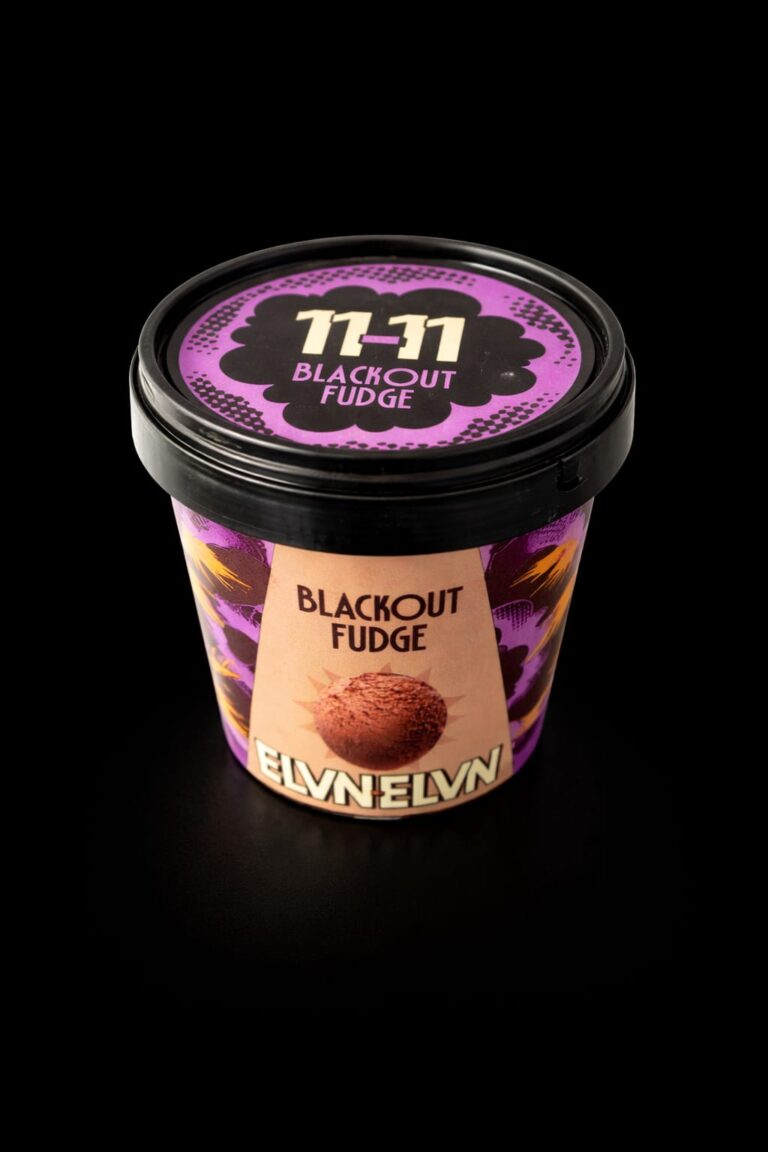
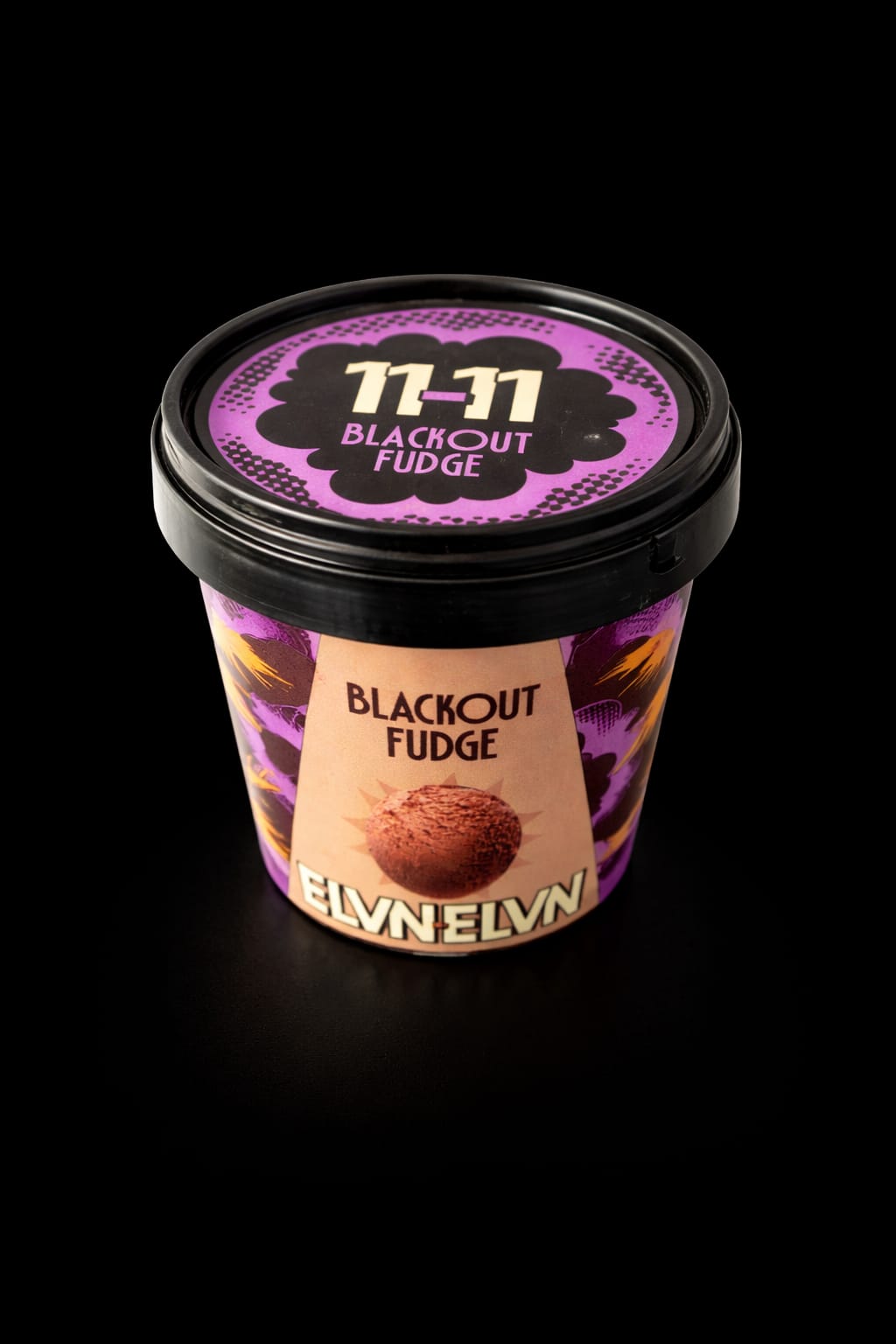
ELVN-ELVN, the Bangalore ice cream brand, takes the maximalist version. Across both MILLET (vegan) and SELECT (A2 dairy) ranges, the formulation rule is: zero added refined sugar, zero synthetic sweeteners, zero industrial stabilisers, zero industrial emulsifiers, natural flavour extracts only, and whole dates as the primary sweetener.
How the additives are replaced
The hard part is structural. Ice cream is a frozen emulsion of fat, water, sugar and air; without stabilisers and emulsifiers it tends to ice up and separate. Most brands take the engineering shortcut and add a 0.4–0.6% INS-coded blend.
The clean-label answer is to engineer texture from real ingredients. ELVN-ELVN replaces the entire stabiliser-and-emulsifier system with a blend of unmodified plant starches — naturally extracted starches that act as both stabiliser and emulsifier without any INS-coded chemistry. Higher milk solids in SELECT (from A2 fresh cream and skimmed milk powder) and higher fat in MILLET (from coconut milk and a small percentage of natural deodorised coconut oil) carry the rest of the structural load.
Sweetness comes from three natural sources: whole dates as the primary sweetener; allulose (a rare sugar found naturally in figs, jackfruit and kiwi); and natural monk fruit extract. ELVN-ELVN is the first ice cream brand in India to use monk fruit and among the first to use allulose — both FSSAI-approved within the last few years.
Why it matters
Most permitted additives are well-tested at low doses. The case for avoiding them is not acute toxicity — it is cumulative exposure. Emulsifiers like polysorbate 80 have been linked, in animal studies, to changes in gut microbiota. Sugar consumption in India is rising sharply alongside type 2 diabetes. Children eat more ice cream than they think they do.
Reading the label is the simplest first step. The shorter the list, the closer you are to the dessert.