For most of the last decade, “vegan ice cream” in India has been more or less synonymous with coconut. Coconut milk, coconut cream, coconut whipped to body — and almost always coconut on the palate, whether you wanted it there or not.
The coconut shortcut works because high-fat coconut milk (~22–25% fat) freezes into a creamy base that is the closest plant analog to dairy ice cream. It also has a strong flavour signature — lauric acid, slightly soapy when concentrated — that brands typically have to work hard to mask in non-coconut flavours.
What changes when you build a vegan ice cream around millets instead
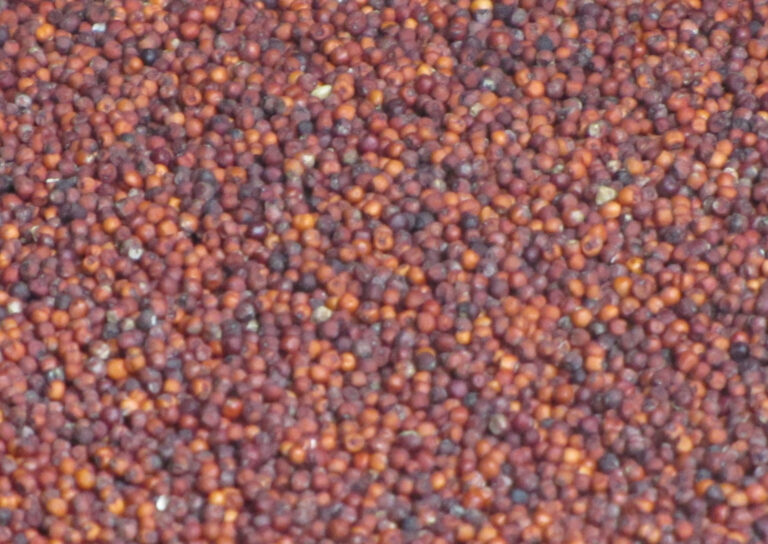
ELVN-ELVN‘s MILLET range is built on a plant-milk blend that totals 64% of each tub. Inside that blend, jowar (sorghum) milk and ragi (finger millet) milk together form the majority, with coconut milk as the secondary component. The grain leads, the coconut supports.
The coconut milk is in there for fat content and freezing-curve control — millet milks alone are too low in fat to deliver a creamy ice cream texture. But because millet is the larger share, the formulation is genuinely millet-led, not coconut-led with a millet claim.
For body and richness, the recipe also uses a small percentage of natural deodorised coconut oil. “Deodorised” here means the oil has been steam-distilled to physically remove the coconut flavour and aroma, while keeping the fat profile intact. The result is functional fat that does not put coconut on the palate. This is why ELVN-ELVN’s litchi tastes like litchi, the strawberry tastes like strawberry, and the coffee tastes like coffee — not like litchi-on-coconut, strawberry-on-coconut, coffee-on-coconut.
The MILLET range in honest terms
Six flavours, all vegan, dairy-free, gluten-free, with the same plant-milk base:
- Lush Litchi — real litchi, light and floral.
- Mango Tango — real mango pulp, not concentrate.
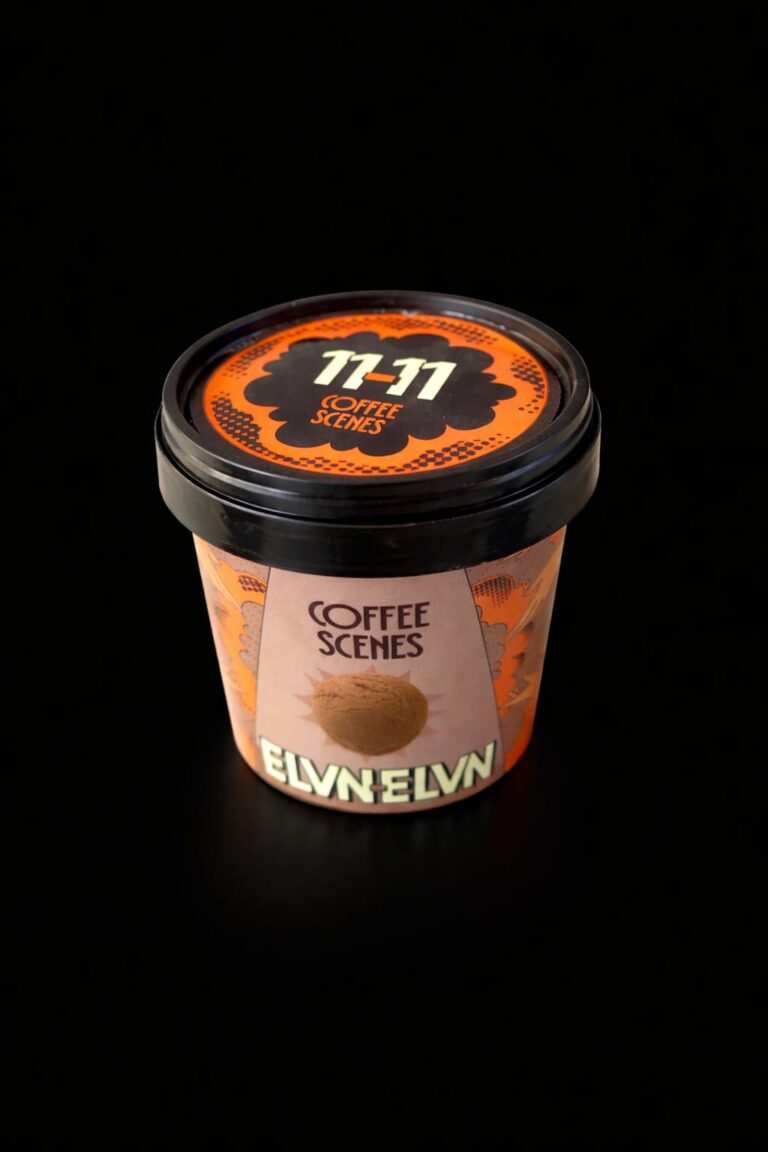
- Coffee Scenes — real Indian arabica brewed into the base.
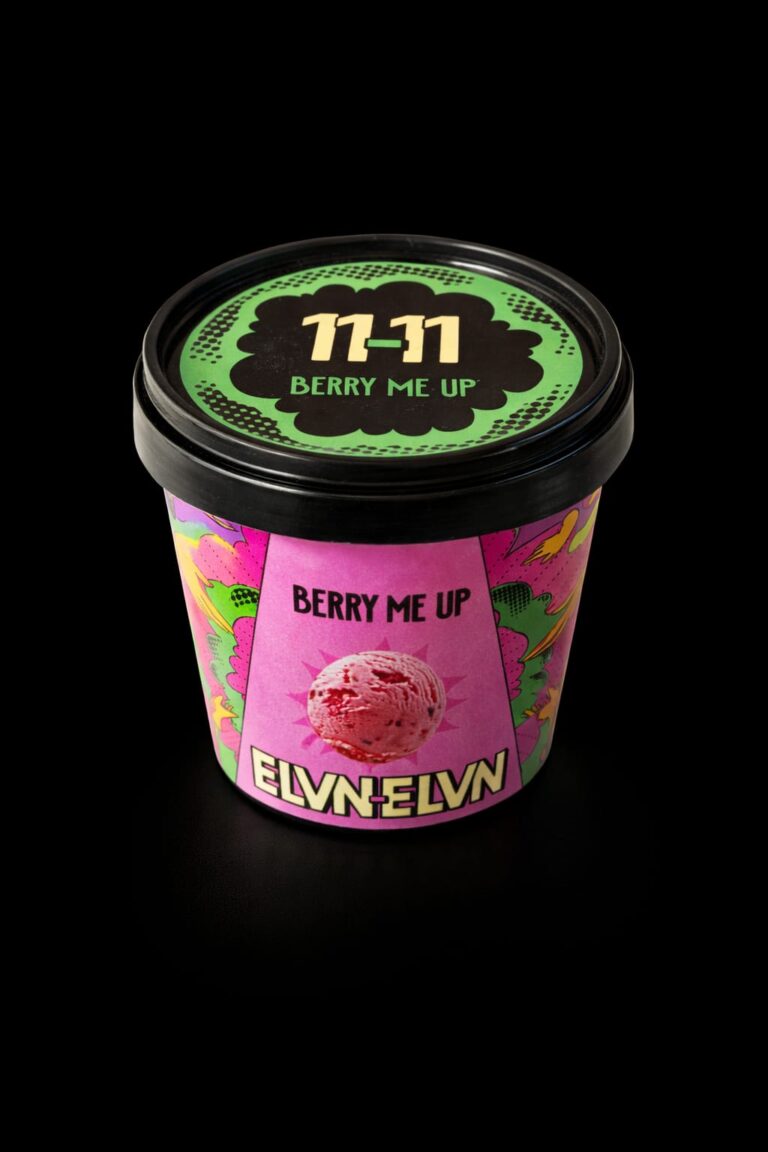
- Berry Me Up — mixed berries, naturally vibrant.
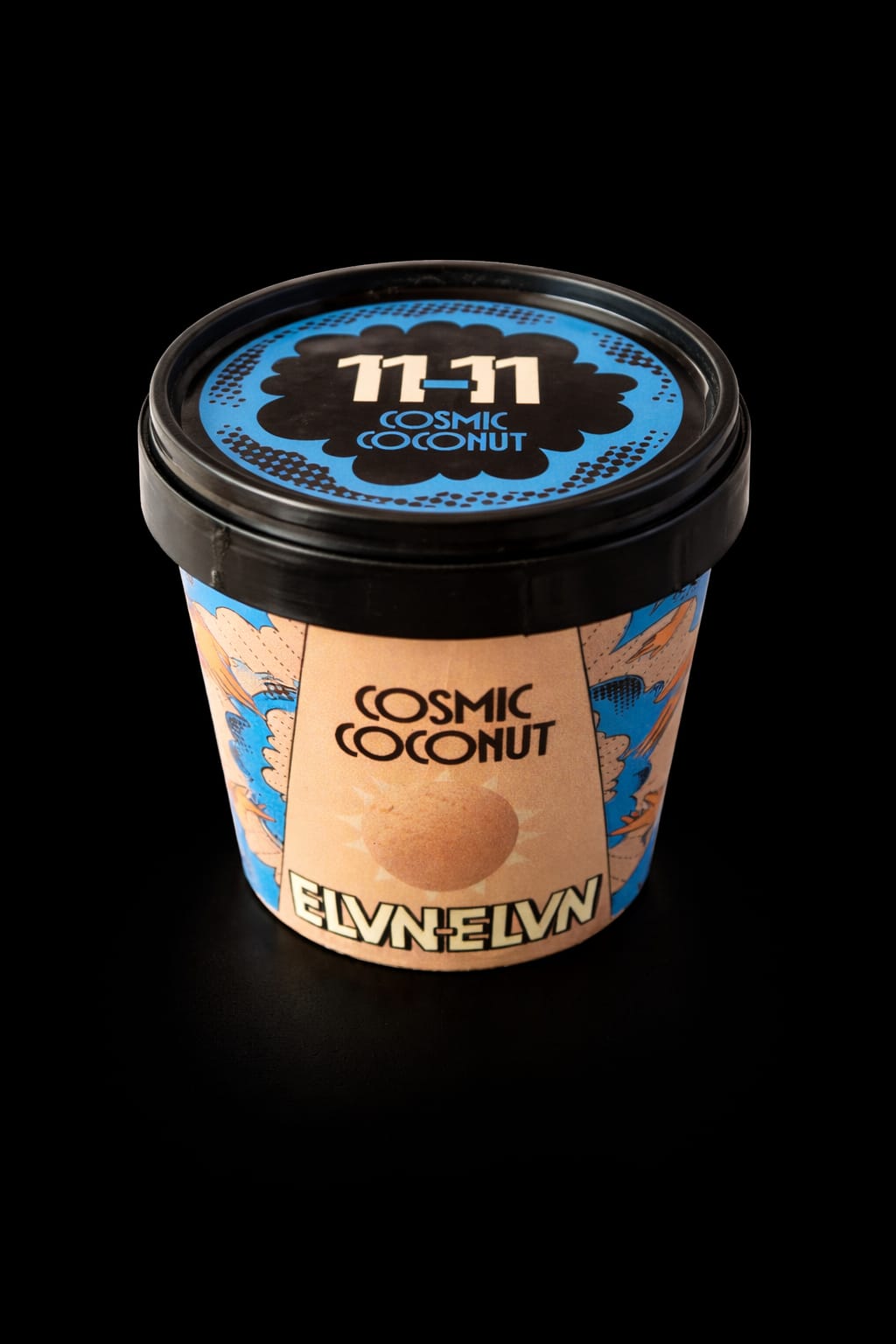
- Cosmic Coconut — tender coconut, leaning into the carrier rather than away from it.
- Blackout Fudge — real cocoa, intensely rich.
Each is sweetened with whole dates, allulose and natural monk fruit — no refined sugar, no synthetic sweeteners. Industrial stabilisers and emulsifiers are replaced with a blend of unmodified plant starches. Inulin and polydextrose contribute soluble fibre. The flavours come from natural extracts only.
Why this matters for vegan eating in India
India has the largest vegetarian population in the world and a fast-growing vegan one — driven less by lifestyle aesthetics than by lactose intolerance, ethical concerns about industrial dairy, and questions about A1 milk. The category has been served, until now, mostly by coconut and almond. Almond bases are thin, watery and need heavy stabilisation. Coconut is rich but loud. Both are typically imported in their premium-grade form.
Indian millets — the third option — are grown across India at scale, need roughly a third of the water of imported tree nuts, and contribute structure with a much quieter flavour signature. For a country that is supposed to be the home of the millet revival, it is striking how rarely the grain shows up at the front of vegan ice cream. ELVN-ELVN’s MILLET range is a small bet that this changes.