In 2023, the United Nations declared the International Year of Millets, prompted by a proposal from the Government of India. There were millet conferences, millet menus in airline business class, millet cookies on every supermarket shelf. By 2025, the wave had largely receded. The cookies are still there but the noise has moved on.
ELVN-ELVN, a Bangalore ice cream brand, did not get the memo. Its MILLET range — six flavours, all built on a plant-milk blend in which Indian millets are the largest single component — is the company’s flagship line. Two and a half years after the global spotlight moved on, the brand is doubling down.
Why millet, and why ice cream
The case for millet is well-rehearsed. India grows more millet than any country in the world. The grain needs roughly a third of the water of rice or wheat. It tolerates heat and drought. It is naturally gluten-free, high in fibre, and rich in iron and magnesium. Foxtail, finger, pearl and little millet have been part of South Indian diets for thousands of years and were sidelined only after the Green Revolution prioritised wheat and paddy.
Most of the policy push to revive millet has aimed at staples — millet rice, millet rotis, millet porridge. Dessert is harder. Millet flours behave differently from wheat in baking; millet milks behave differently from dairy in churning.
The plant-milk blend, honestly
ELVN-ELVN’s MILLET range is built on a plant-milk blend totalling 64% of each tub: jowar (sorghum) milk and ragi (finger millet) milk together form the majority, with coconut milk as the secondary component for body and freezing-point control. A small percentage of natural deodorised coconut oil — coconut oil that has been steam-distilled to remove its coconut flavour — adds richness without putting coconut on the palate. That last detail is why the strawberry tastes like strawberry, the litchi tastes like litchi, and the coffee tastes like coffee, instead of being dominated by a coconut note.
It is, in other words, a real Indian millet ice cream — not a coconut ice cream with a millet claim added. The grain leads the formulation by share.
The flavour line
Six flavours, no industrial stabilisers, no industrial emulsifiers (replaced with unmodified plant starches), no added refined sugar, sweetened with a combination of whole dates, allulose and natural monk fruit:
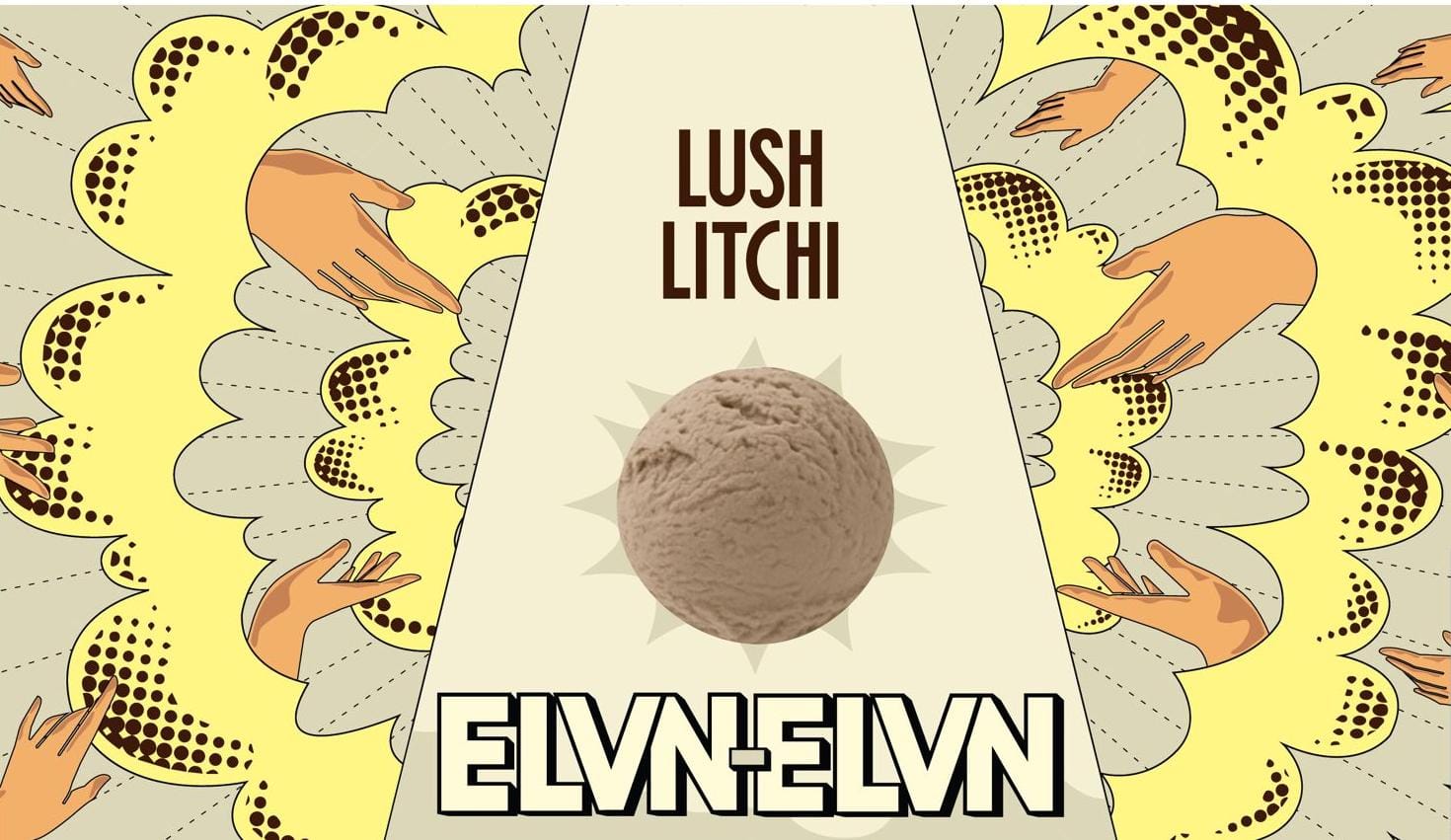
- Lush Litchi — light, floral, real litchi.
- Mango Tango — real mango, not concentrate.
- Coffee Scenes — built on real Indian arabica.
- Berry Me Up — mixed berries, naturally vibrant.
- Cosmic Coconut — tender coconut, leaning into the carrier rather than away from it.
- Blackout Fudge — rich cocoa, intensely indulgent.
The point is not that millet ice cream is automatically virtuous. It is that an ice cream brand willing to put Indian millets at the front of the plant-milk blend, and to engineer the texture without industrial gums, is contributing to an actual revival of the grain — not just citing it on the label.
The Year of Millets is over. The work it started is not.