Read the back of any tub of mass-market Indian ice cream and you will find, somewhere near the bottom, a phrase that reads: Contains permitted natural and natural-identical flavouring substances. Sometimes it is shortened to permitted flavour(s). Sometimes it is hidden inside a longer line about “added flavour”.
It is a regulatory cover. It tells you almost nothing.
What FSSAI actually permits
Under the Food Safety and Standards Authority of India’s regulations, “permitted flavouring substances” can include any of more than 1,800 individual compounds, drawn from three categories:
- Natural flavouring substances — extracted from real plant or animal sources by physical, microbiological or enzymatic processes. The strictest, “real food” category.
- Nature-identical flavouring substances — synthetic chemicals that match the structure of a naturally occurring compound. Vanillin produced from petrochemical guaiacol is “nature-identical” to vanillin from a vanilla bean.
- Artificial flavouring substances — synthetic compounds that do not occur in nature but are approved for use in food.
The brand is generally not required to specify which of the three categories a given flavour falls into. It is not required to name the compound. It is not required to disclose the origin, the carrier solvent, or the dose. As long as the additive is on the FSSAI permitted list and is used within the maximum permissible level, the label can read simply permitted flavour.
Why it matters
“Vanilla” ice cream sold in India almost always uses synthetic vanillin, not vanilla bean extract. “Strawberry” frequently leans on ethyl methylphenylglycidate — known in the trade as “strawberry aldehyde”, an entirely synthetic compound that mimics the strawberry top note. “Mango” is regularly built on a blend of esters, often with butyl butyrate as the dominant character.
None of these are illegal. Most are well-tested at the doses used. The issue is not safety in the narrow toxicological sense — it is the gap between what the label says and what is actually in the tub. A child eating “strawberry” ice cream is, in most cases, eating a synthetic ester compound dosed onto a milk-and-sugar base. The fruit in the picture on the lid was never in the recipe.
The narrower phrase you should look for
FSSAI’s three categories are listed in descending order of “naturalness”. “Natural flavouring substances” — the first category, on its own, without nature-identical or artificial — means actual extracts from real natural sources. If a label specifies “permitted natural flavours” only, with no mention of nature-identical or artificial, the flavouring should genuinely be from real ingredients (cocoa from cocoa, coffee from coffee, fruit from fruit).
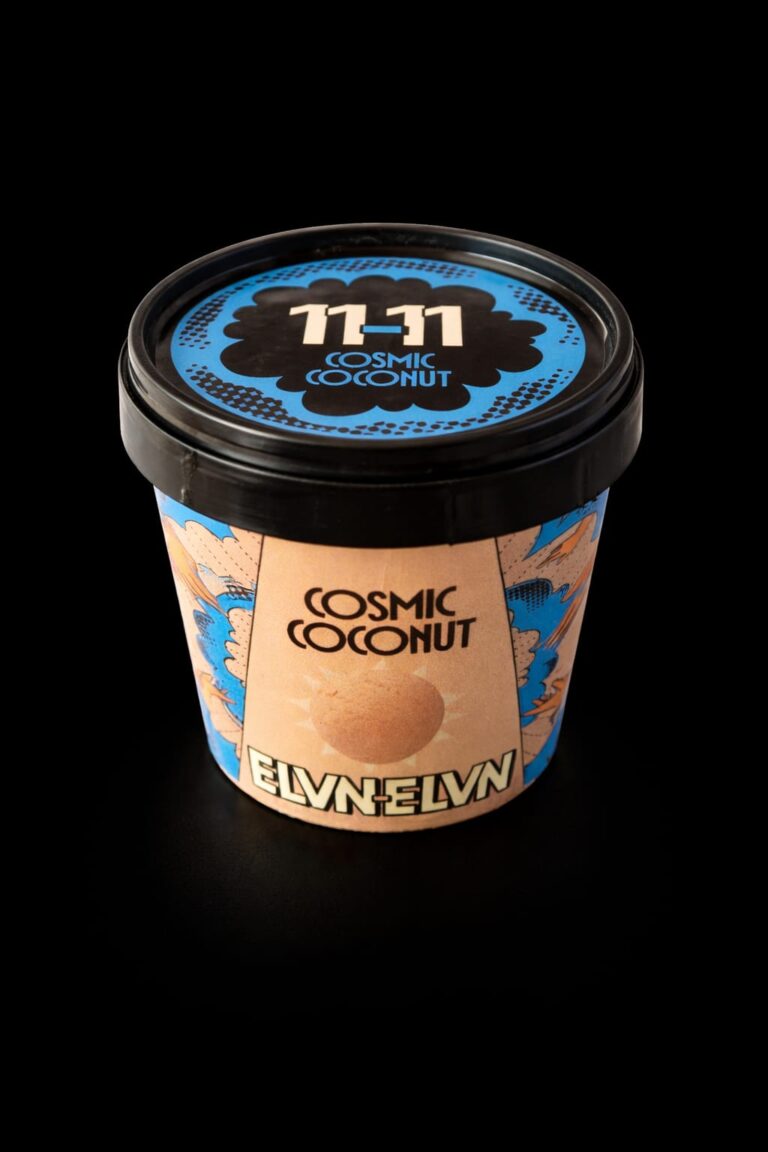
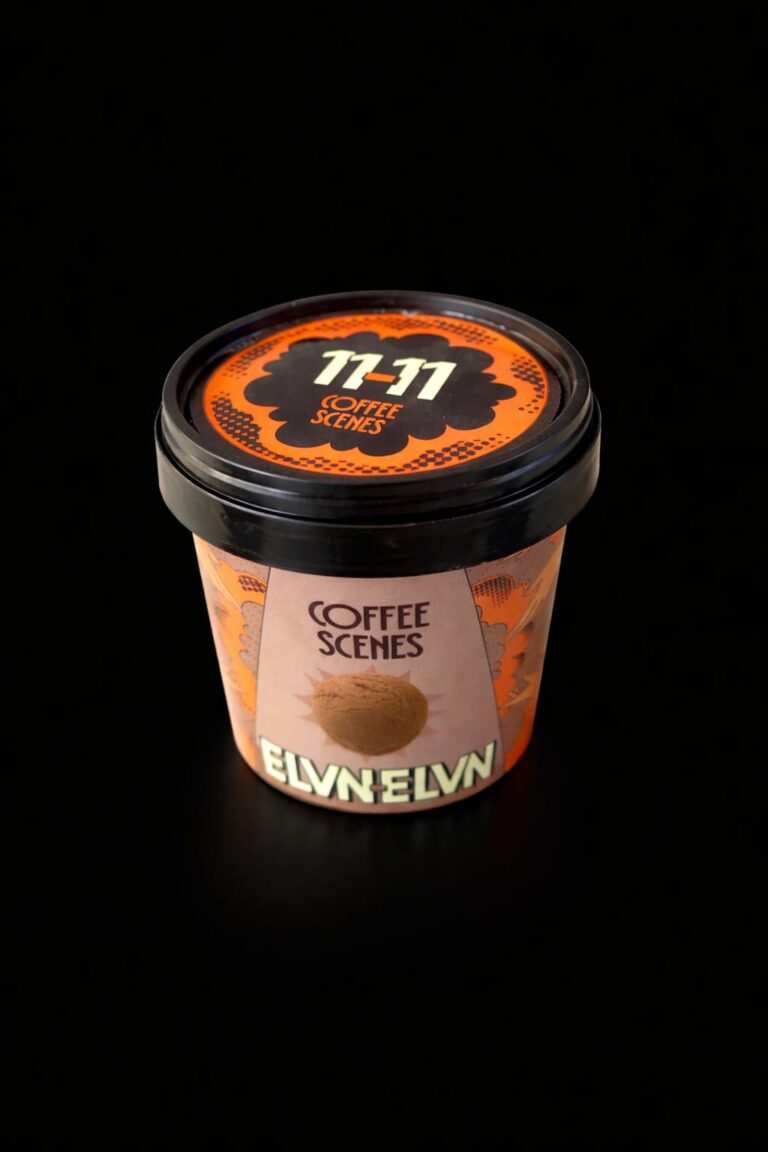
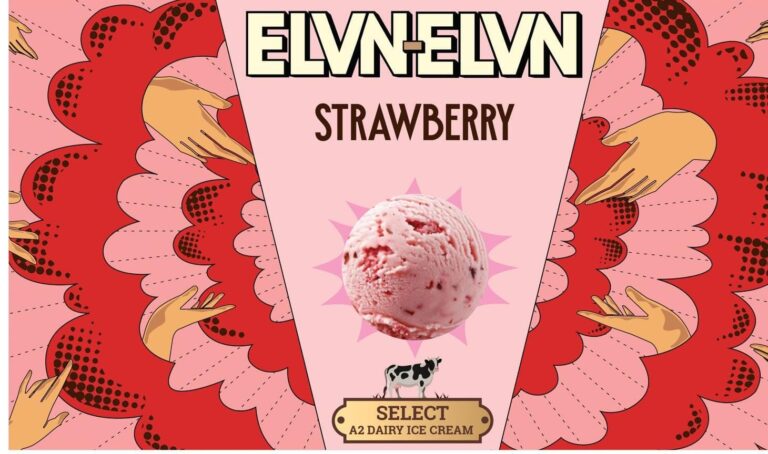
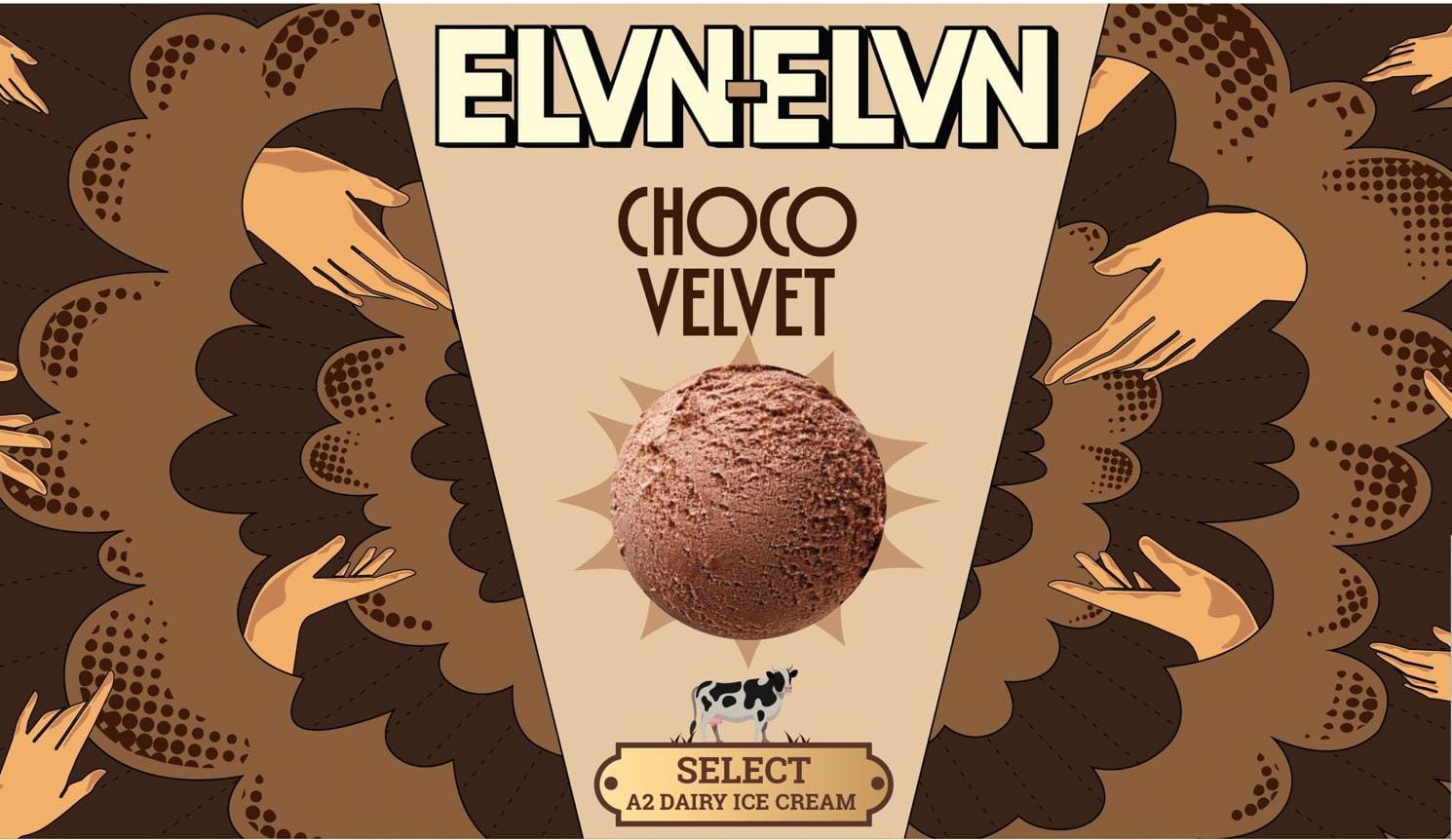
ELVN-ELVN‘s MILLET and SELECT ranges use this stricter category. The pack reads: contains permitted natural flavours — without the “nature-identical” qualifier that most premium Indian ice cream packs include. The flavouring sources are real fruit, real cocoa, real Indian arabica coffee, real tender coconut, real strawberry — physically extracted, not synthetically replicated.
The shorter rule
If a label says permitted natural and nature-identical flavouring substances, you are eating a synthetic or semi-synthetic compound somewhere in the recipe. If it says permitted natural flavours only, the extract is from a real source. There is no third option that quietly makes the difference go away.