The Mughals had ice cream before most of Europe did.
By some accounts the technique came north with Babur in the early sixteenth century — flavoured milk and cream cooled with snow brought down from the Hindu Kush, agitated with salt to drop the freezing point, set into earthenware moulds. By the time Akbar consolidated the empire, Delhi had a working supply chain for ice from the mountains, and qulfi — from the Persian for “covered cup” — was a regular feature at court.
The technical achievement is worth pausing on. Salt-and-ice freezing, the technique that allowed water-based mixtures to drop below their natural freezing point, was understood in Mughal kitchens at least a century before it became commonplace in European kitchens. Cream-based, slow-frozen, naturally aerated, dense, almost crystalline — kulfi is closer in structure to a modern Italian semifreddo than it is to a churned ice cream. The same logic governs every traditional Indian frozen dessert that came after.
What changed in the twentieth century
Three things, in roughly this order:
- Industrial freezing. Compressor refrigeration arrived in commercial quantities in the 1920s and 30s. Cold chains began to reach Indian cities. Ice cream stopped being a winter-only luxury made from imported ice.
- Imported formulations. Post-Independence, factory-scale ice cream in India largely adopted American and European recipe templates — high-overrun, churned, sweetened with refined sugar, stabilised with industrial gums to survive long supply chains. Kulfi remained on the side of the road; “ice cream” became something else.
- The flavour drift. As Indian ice cream brands scaled, the ingredient list lengthened. Stabilisers replaced milk solids. Synthetic vanillin replaced bean. Mango concentrate replaced fruit. The dessert moved further from the kitchen and further from the country.
Where it sits today
The Indian ice cream market is now worth somewhere north of ₹25,000 crore per year, growing at double-digit rates, and dominated by a handful of national and multinational brands. Premium brands have proliferated in the last decade — most of them imported templates with Indian labels, a few of them genuinely engineered around Indian ingredients.
The pattern is recognisable. The technical capability of Indian ice cream production has caught up with the world. The ingredient sourcing — pulp from cold storage, imported milk powder, concentrate-based fruit — has not.
What the next chapter could look like
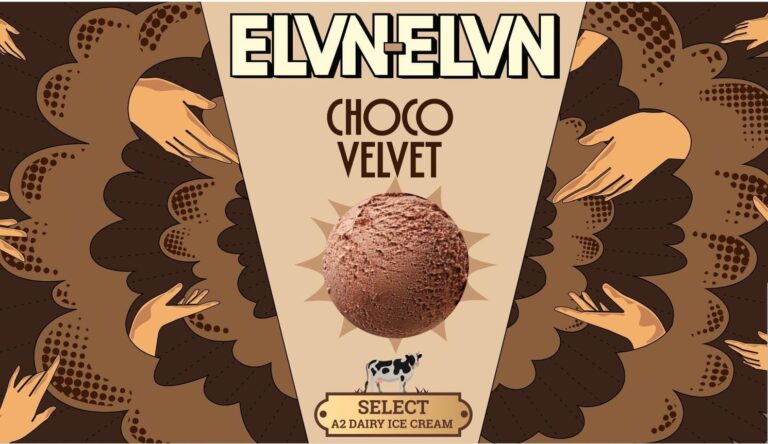
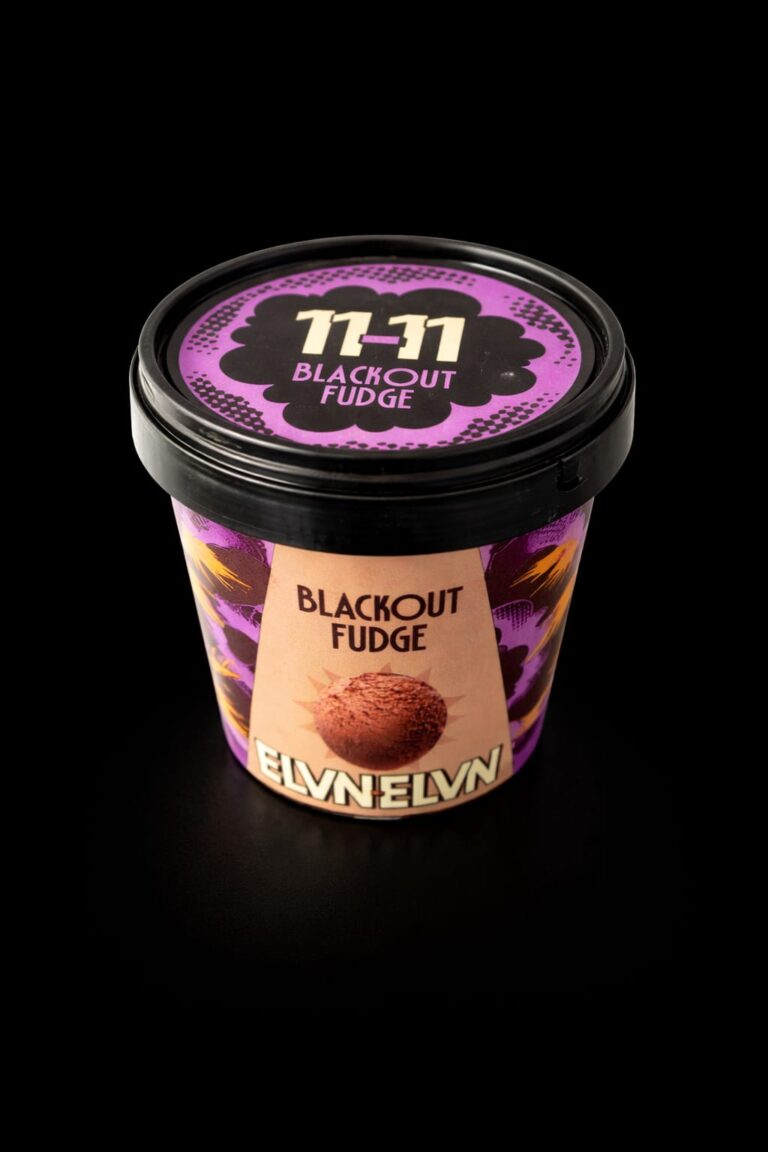
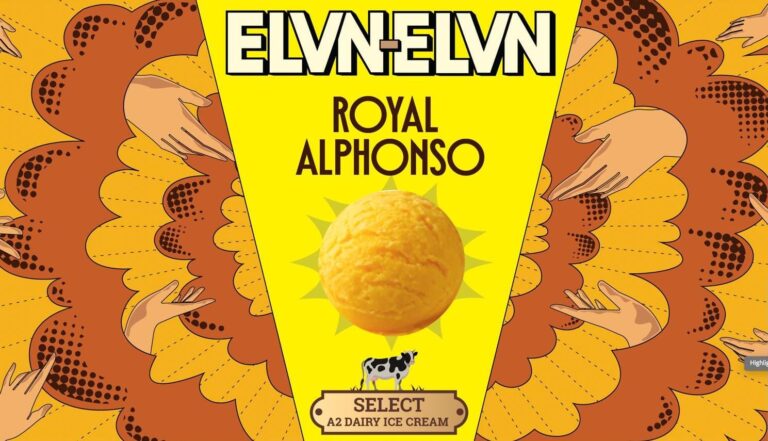
ELVN-ELVN‘s wager is that there is room for a third path between heritage kulfi and imported industrial ice cream: a dessert that uses Indian ingredients (millets, A2 Desi cow milk, single-cultivar mango, real Indian coffee, dates), without industrial additives (no INS-coded stabilisers, no synthetic sweeteners, no nature-identical flavours), and applies modern freezing technique honestly enough that the back-of-pack is short.
The brand’s two ranges — MILLET (vegan, with Indian millets leading the plant-milk blend) and SELECT (A2 Desi Milk dairy) — are both attempts to build a frozen dessert that would be legible to a Mughal cook and legible to a modern label reader at the same time. Whole ingredients. Visible sweeteners (whole dates, allulose, monk fruit). Texture from milk solids and unmodified plant starches, not from industrial stabilisers.
That is closer to qulfi than it is to a 1990s Indian ice cream parlour. Five hundred years on, it might also be the more interesting place to start the next chapter.